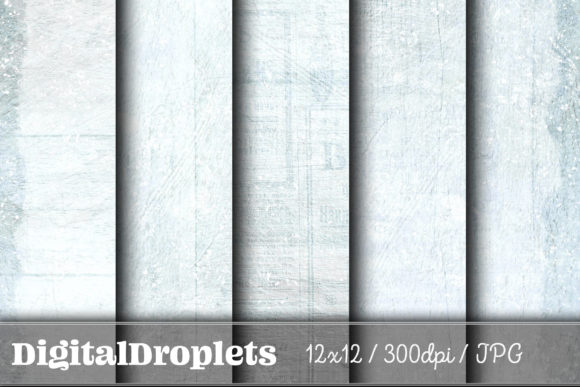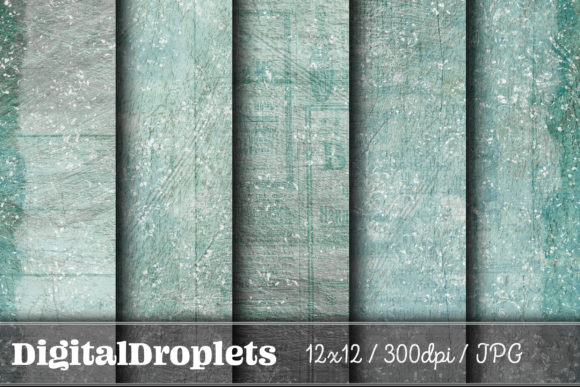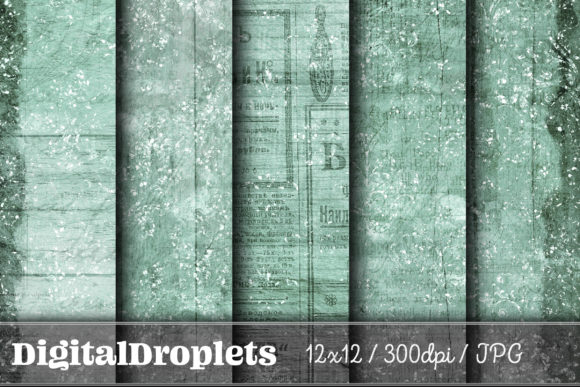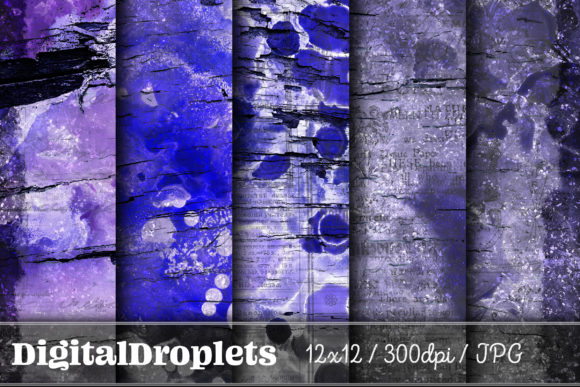
Elegant Vintage Vol. 13 | Collection: A Designer's Asset
Every designer knows the power of a perfectly curated texture to elevate a project from simple to sophisticated. The Elegant Vintage Vol. 13 | Collection offers precisely that, providing a toolkit of 12x12 paper sets designed to inject timeless charm into modern creative work. This set isn't just a background; it's a foundational element for building rich, layered visual narratives that resonate with depth and history.
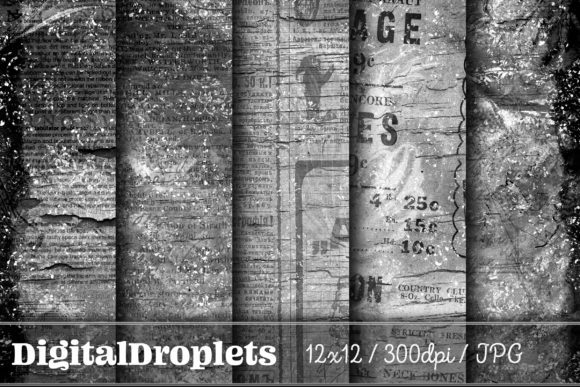
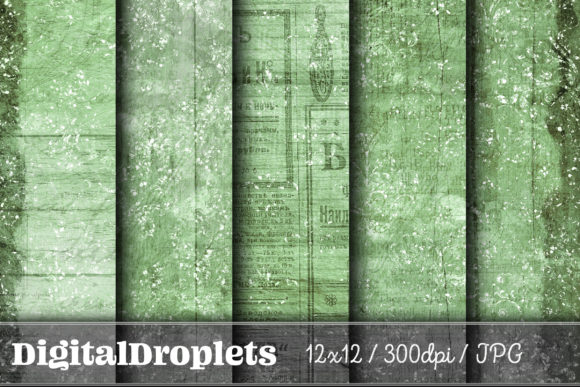
At its core, this collection is a study in refined contrast. It masterfully combines the intricate, gilded elegance of glittered damask patterns with the authentic, rustic character of vintage newspaper textures. Each of the ten included papers features a unique pattern and a distinct border, offering a versatile palette for designers. This duality is a powerful asset in graphic design, allowing creators to bridge classic ornamentation with raw, organic elements—a trend central to contemporary visual design and branding.
Practical Applications for Modern Design
The true value of a creative asset lies in its adaptability. The Elegant Vintage Vol. 13 | Collection is engineered for flexibility across numerous disciplines. Its high-resolution, 300dpi files ensure crisp output for both digital and print design applications.
Consider how these textured papers can transform your projects:
- Brand Identity & Packaging: Use the damask textures as sophisticated backdrops for luxury product labels, business cards, or stationery. The subtle newspaper grain adds a layer of authenticity that can strengthen a brand's story, especially for artisanal or heritage brands.
- Digital Marketing & Social Media: Create eye-catching social media graphics and digital ads. The textured backgrounds make text overlays stand out, improving visual hierarchy and readability while adding a premium feel to your content.
- Editorial & Web Design: In editorial design, these papers can frame pull quotes or chapter headings in magazines and lookbooks. For web design and UI design, they serve as elegant backgrounds for hero sections or content cards, enhancing the overall user experience with tactile appeal.
- Creative Projects & Merchandise: The applications extend to junk journals, scrapbooking, custom washi tape, and even home decor prints. For designers selling digital products, these papers are ideal for creating mockups, planner stickers, or printable art.
Integrating Vintage Textures with Intention
Successfully incorporating such distinct elements requires a thoughtful approach to design workflow. The key is to use the Elegant Vintage Vol. 13 | Collection to support, not overpower, your primary message. Here are actionable tips for effective integration:
- Establish a Hierarchy: Use the more intricate damask patterns as focal points for key elements like logos or main headings. Employ the subtler newspaper textures for supporting areas to maintain balance.
- Mind Your Typography: Pair these vintage textures with clean, modern sans-serif fonts for a striking contrast that ensures readability. Alternatively, use elegant serif typefaces to fully embrace the classic aesthetic for typography-focused projects.
- Curate Your Color Palette: The neutral, aged tones of the newspaper texture provide a versatile base. Introduce accent colors from your brand's color palette through text, icons, or graphic overlays to create cohesion and direct the viewer's eye.
- Test for Scalability: Always preview your designs at various sizes, especially for packaging design or logo design applications. Ensure the pattern's detail remains effective from a small tag to a large banner.
In an era of digital saturation, the tactile illusion of quality materials can significantly enhance user engagement. The Elegant Vintage Vol. 13 | Collection provides a quick, professional way to achieve this. By thoughtfully selecting and applying such high-caliber creative assets, designers can craft more compelling visual communication, build memorable brand experiences, and ultimately elevate the standard of their creative output. It’s a testament to how well-chosen design elements can solve aesthetic challenges and enrich the storytelling inherent in every project.