Leaves in the Wind Vol. 24: Vintage Texture Collection
The right texture can transform a flat digital design into a tactile, evocative story. For designers and creatives seeking to infuse projects with a sense of history, warmth, and organic elegance, the Leaves in the Wind Vol. 24 | Collection offers a sophisticated solution. This curated set of 20 high-resolution 12×12 papers provides a unique foundation for a multitude of creative applications, blending natural motifs with vintage character.
The Anatomy of a Versatile Design Asset
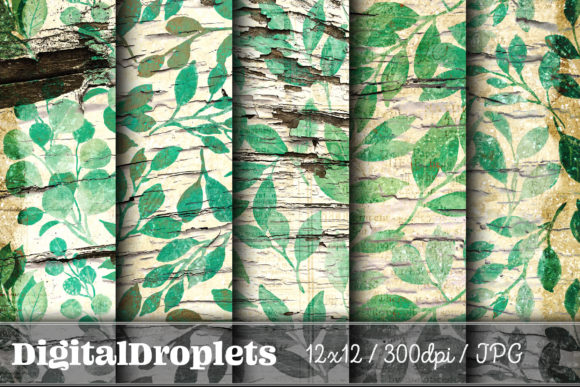
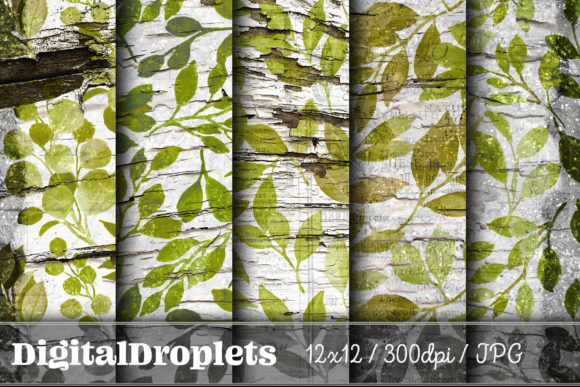
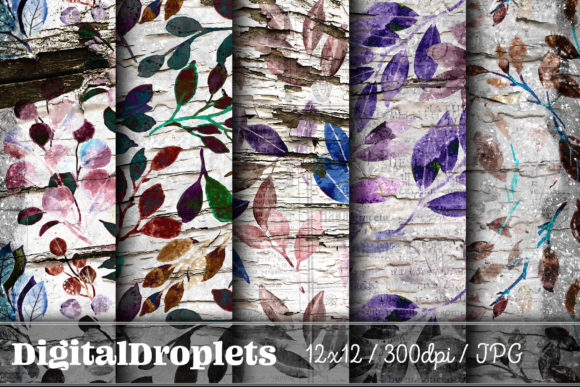
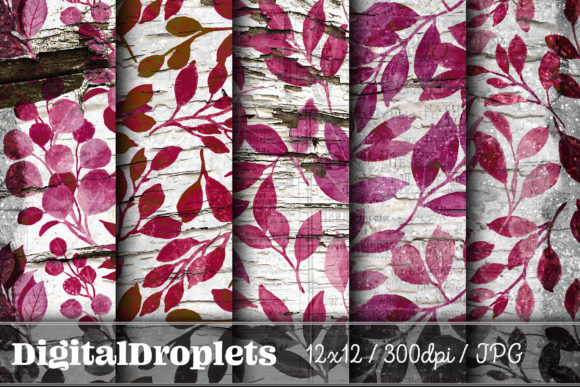
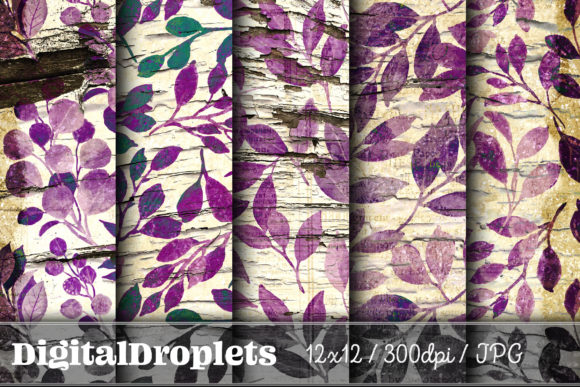
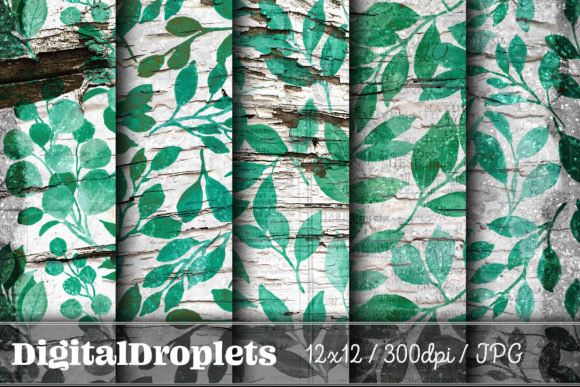
Each paper in this collection is a carefully layered composition. Delicate leaf patterns are overlaid onto authentic vintage newspaper textures, creating an immediate sense of depth and narrative. To elevate the design further, a subtle, sparkly damask texture is blended into every page, adding a touch of understated luxury. Crucially, no two pages are alike; each features a distinct pattern and a unique border, providing designers with a rich palette of options to maintain variety while ensuring cohesion within a project.
This combination of elements makes the Leaves In The Wind Vol. 24 | Collection 12×12 Paper Set of 20 papers more than just a background—it's a foundational element for building visual hierarchy and setting a clear aesthetic tone.
Practical Applications Across Design Disciplines
The true value of a design asset lies in its versatility. This collection’s blend of organic and vintage elements makes it exceptionally adaptable, enhancing projects across numerous fields:
- Branding & Logo Design: Use these textures as backgrounds for brand presentations, mood boards, or to develop a vintage-inspired brand identity. The layered textures can add depth to logo mockups, helping to visualize how a mark interacts with different materials.
- Marketing & Social Media Content: Create compelling social media graphics, email headers, or promotional banners that stand out. The textured backgrounds are perfect for quote cards, product highlights, or storytelling posts that require an artisanal, authentic feel.
- Editorial & Print Design: Ideal for scrapbooking, junk journals, and photo albums, these papers provide a perfect canvas. They also excel as backgrounds for magazine layouts, book covers, or as decorative elements in invitations and greeting cards.
- Digital & UI Design: In web design and UI, use these textures sparingly for hero sections, footer backgrounds, or as stylized asset containers to break the monotony of flat design and add visual interest.
- Packaging & Merchandise: Enhance physical products with a vintage aesthetic. These papers are perfect for designing labels, tags, wrapping paper, or washi tape strips, adding tangible value to merchandise.
Integrating Textures into a Professional Workflow
To leverage assets like the Leaves in the Wind Vol. 24 | Collection effectively, consider these professional practices:
- Ensure Consistency: While variety is built-in, use papers from the same set to maintain a cohesive visual language across a campaign or project. This strengthens brand recognition and creates a polished presentation.
- Prioritize Readability: When layering text over textured backgrounds, ensure sufficient contrast. Utilize solid color overlays, shapes, or drop shadows to make typography clear and legible, upholding strong UX principles.
- Consider Scalability & Context: Think about the final application. A detailed texture that looks stunning on a 12x12 scrapbook page might become noisy when scaled down for a small web icon. Choose papers that align with your project's scale and audience expectations.
- Complement with Typography: Pair these organic, vintage textures with typography that enhances the mood. Serif fonts and elegant scripts often complement the aesthetic, but a clean sans-serif can also provide a modern contrast for a balanced look.
In the pursuit of effective visual communication, the details make the difference. Thoughtfully selected creative assets like this collection do more than decorate; they establish mood, support narrative, and elevate the overall quality of your work. By integrating high-quality, versatile textures into your design workflow, you invest in the power to create more engaging, memorable, and professionally resonant projects that connect with your audience on a deeper level.