Vintage Flowers Vol. 21 | Collection
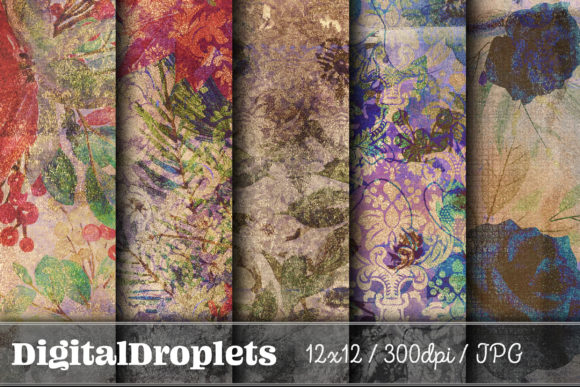
Imbuing modern projects with the rich texture and timeless elegance of the past is a powerful design strategy, and the Vintage Flowers Vol. 21 | Collection provides the perfect toolkit for this aesthetic. This curated set of 12x12 digital papers masterfully blends delicate floral patterns with authentic, aged paper textures, offering a versatile foundation for any creative endeavor that calls for a touch of history, romance, or sophisticated grit.
Understanding the Aesthetic and Application
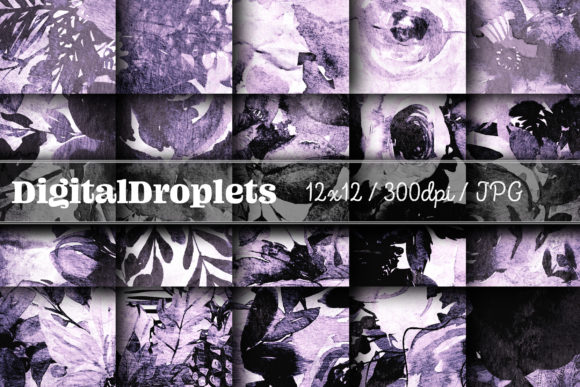
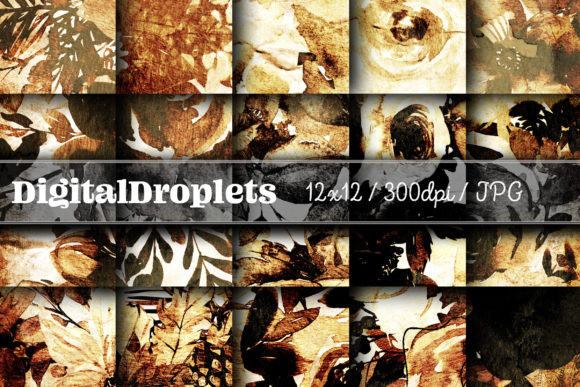
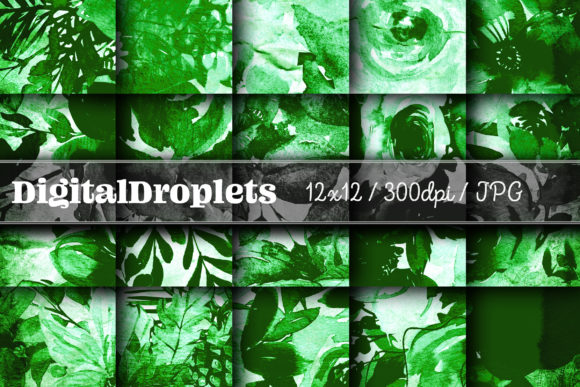
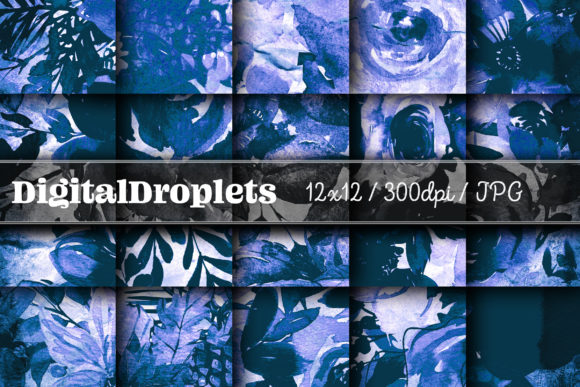
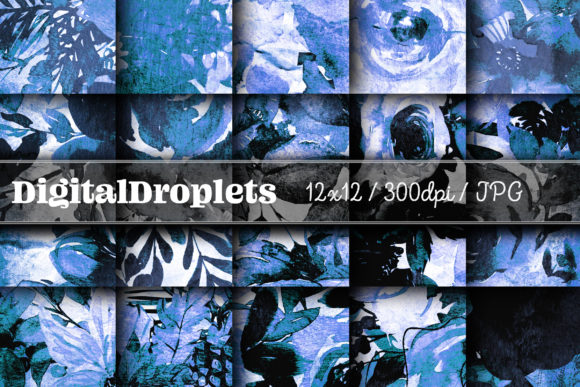
This collection stands at the intersection of several popular design trends: vintage, steampunk, and grunge. Each of the 10 included papers presents a unique floral motif—from roses to wildflowers—overlaying a distinct, textured background that mimics old parchment, worn leather, or distressed paper. This isn't just a floral pattern; it's a complete atmospheric element. For designers, this means instant visual depth and narrative.
The practical applications are vast, directly supporting key areas of visual design and creative projects:
- Branding & Identity: Perfect for creating brand assets for businesses in artisanal goods, vintage boutiques, cafes, or floral studios. Use these textures for business cards, letterheads, and packaging to instantly communicate a handcrafted, nostalgic, or premium feel.
- Marketing & Social Media: These papers serve as stunning backgrounds for Instagram posts, Facebook ads, and promotional graphics. They add immediate character to quotes, announcements, and product showcases, improving visual hierarchy and engagement.
- Editorial & Web Design: Ideal for blog headers, website hero images, or magazine layouts. They can frame typography beautifully, making headlines stand out while adding a layer of sophisticated texture to the overall color palette.
- Packaging & Print Design: The high-resolution (300dpi) files are print-ready, making them excellent for product labels, gift wrap, tags, and special edition packaging that requires a tactile, luxurious impression.
- Digital Products & UI: Use them to design unique planner stickers, digital journal covers, or background elements in apps and presentations. They add personality to UI components without compromising clarity when used thoughtfully.
Integrating Texture into a Cohesive Design Workflow
Successfully incorporating textured assets like the Vintage Flowers Vol. 21 | Collection into a project requires a strategic approach to maintain professionalism and readability. Consider these factors during your design workflow:
1. Balance and Visual Hierarchy
The intricate patterns are bold. Use them as backgrounds sparingly, or pair them with ample negative space. A textured paper behind a clean, modern sans-serif font can create a beautiful contrast, ensuring your message remains the focal point. This technique enhances user experience (UX) by guiding the viewer's eye.
2. Consistency in Branding
When building a brand identity, select one or two papers from the set that best match your brand's personality—perhaps a more subtle floral for primary use and a bolder one for accents. This creates consistency across all touchpoints, from digital ads to physical merchandise.
3. Color and Composition
Analyze the underlying color tones of each paper (sepia, ivory, muted pastels) and use them to inform your color palette. Pull colors from the floral patterns or the paper texture itself for fonts, borders, and complementary graphics. This creates a harmonious and intentional visual design.
4. Audience and Context
Always align your asset choice with audience expectations. This collection resonates strongly with audiences appreciating nostalgia, craftsmanship, and artistry. It may be less suitable for ultra-modern, minimalist tech branding but is unparalleled for storytelling and evoking emotion.
In the realm of graphic design, the difference between good and exceptional often lies in the details. Quality creative assets like the Vintage Flowers Vol. 21 | Collection do more than decorate; they provide context, evoke emotion, and build a tangible atmosphere. By thoughtfully selecting and applying these resources, designers and creators can elevate their work from simply informative to truly resonant, ensuring their visual communication is not only seen but felt.