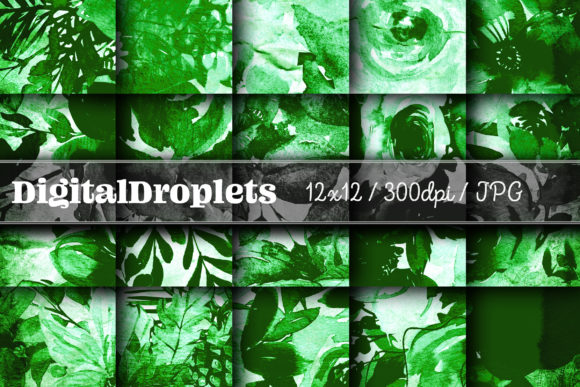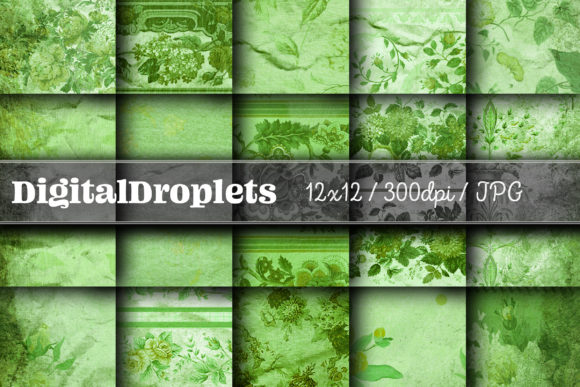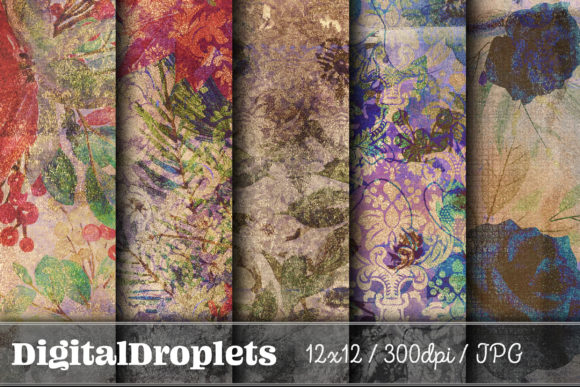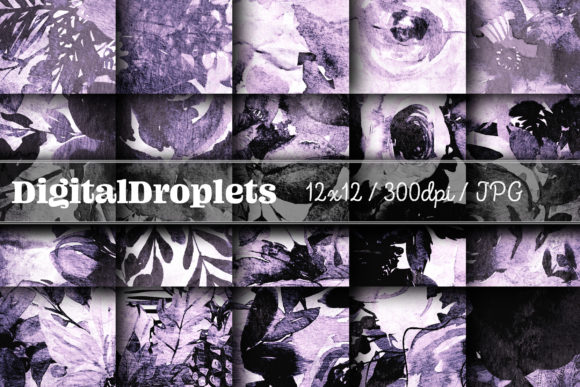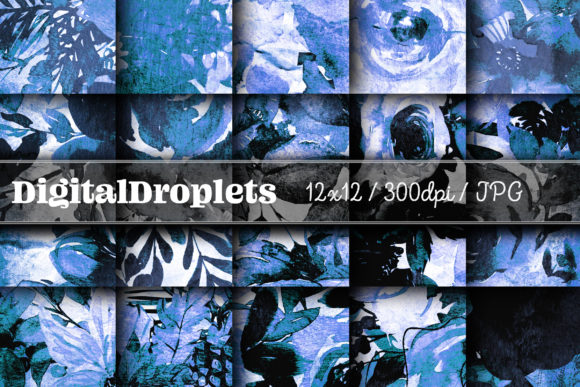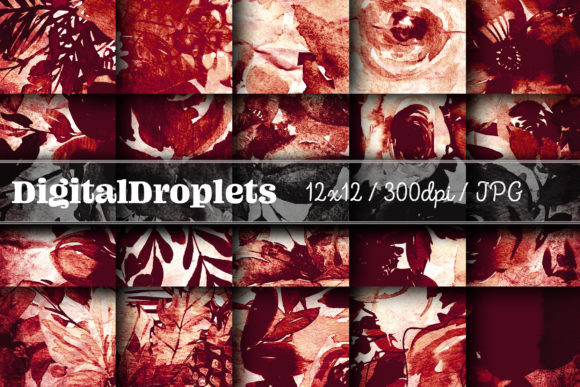
Vintage Flowers Vol. 6 | Collection: Gothic Floral Textures
In the realm of graphic design, establishing a distinct mood is paramount, and the Vintage Flowers Vol. 6 | Collection offers a powerful tool for designers seeking a dramatic, historical aesthetic. This specific set, featuring 10 high-resolution 12x12 papers, moves beyond standard florals by infusing them with gothic, grungy, and steampunk undertones. For professionals tasked with creating visual narratives that feel aged, textured, and deeply atmospheric, this collection provides an immediate solution for complex backgrounds and thematic layering.
The Intersection of Vintage Textures and Modern Design
While modern aesthetics often lean toward minimalism, there is a significant market for designs that embrace complexity and nostalgia. This paper set bridges the gap between antique inspiration and digital usability. Each of the 10 unique pages features a different floral pattern overlaid on distressed vintage textures. This combination creates an organic visual hierarchy that is difficult to replicate from scratch. In digital marketing and branding, using such textures can help evoke specific emotions—mystery, elegance, or rustic charm—making the content more memorable to the audience.
Practical Applications for Creative Assets
The versatility of the Vintage Flowers Vol. 6 | Collection extends across various design disciplines. Because the files are high-resolution JPEGs (300dpi), they are optimized for both digital screens and print design. Here is how these assets can be integrated into professional workflows:
- Brand Identity and Packaging: For brands in the artisanal, botanical, or alternative fashion sectors, these papers provide a rich backdrop for logo design mockups or product packaging that requires a tactile, authentic feel.
- Editorial and Layout Design: In web design or magazine layouts, these textures serve as excellent backgrounds for text-heavy sections, provided the typography is chosen carefully to ensure readability against the grunge elements.
- Physical and Digital Merchandise: The set is explicitly designed for versatility. Creators can utilize these backgrounds for scrapbooking, junk journals, washi tape strips, and planner stickers. Furthermore, they are ideal for print-on-demand products, such as tote bags, stationery, or home decor prints.
- Social Media and UI Design: In a saturated digital space, unique backgrounds help content stand out. These papers can be used to create engaging story highlights, post backgrounds, or even subtle UI elements in apps or websites targeting a vintage demographic.
Evaluating and Implementing Design Elements
When incorporating assets like the Vintage Flowers Vol. 6 | Collection into a project, careful consideration of visual design principles is essential to maintain professionalism. The "gothic" and "grungy" nature of these papers means they possess high texture and contrast. To use them effectively:
Typography Selection: Pair these textured backgrounds with clean, legible typography. A bold sans-serif or a classic serif font often works best to ensure the message cuts through the visual noise of the vintage paper. Avoid overly decorative scripts that might get lost in the floral patterns.
Color Palette Coordination: Since the papers already contain a specific vintage color grading, designers should sample colors directly from the images to create a cohesive palette for text and overlays. This ensures that any additional elements, such as frames or shapes, look integrated rather than pasted on.
Composition and Scalability: While the files are 12x12, they can be cropped or tiled. When using them for larger formats like wall art or gift wrap, ensure the resolution remains sufficient. For digital use, optimize the file size to ensure fast load times without sacrificing the rich detail of the texture.
Ultimately, the goal of using high-quality creative assets is to enhance communication and streamline the design workflow. By selecting resources like the Vintage Flowers Vol. 6 | Collection, designers can bypass the time-consuming process of manually aging or texturizing elements. This allows for a focus on the broader narrative of the project, ensuring that the final product is not only visually striking but also strategically aligned with the brand’s identity and the audience’s expectations.